


Views: 0 Author: Site Editor Publish Time: 2026-02-09 Origin: Site


When evaluating the cost of punch tooling infrastructure, it’s crucial to look beyond the initial price tag and consider the long-term investment. Punch tooling infrastructure directly influences your business's ability to meet production targets, maintain quality, and manage operational costs. While punch tooling infrastructure cost can vary greatly depending on tooling type, material, and application, understanding the complete cost structure is key to making a well-informed purchase decision. As a leader in tooling solutions, AFAB Tooling specializes in providing durable, high-quality punch tooling systems, including thick turret tooling, Trumpf tooling, Murata tooling, and thin turret tooling. In this article, we will break down the essential cost factors involved in punch tooling infrastructure, offer a comparison by tool type, and discuss ways to reduce tooling expenses while maintaining top-tier production efficiency.
When purchasing punch tooling infrastructure, it is important to consider the various cost factors that contribute to the total price. These factors are not limited to just the upfront price of the tools themselves but also include ongoing maintenance, tool change times, and overall tool longevity.
Tool: The punch is the cutting element in the punch press. Its material and design significantly impact the cost. High-quality punches that ensure durability and cutting precision are generally more expensive but essential for long-term performance.
Die: The die works in tandem with the punch to shape the material. Like the punch, the die’s quality affects both the cost and the performance of the tooling infrastructure. Custom dies designed for complex cuts are more expensive than standard ones but offer higher precision and better longevity.
Guide Assemblies: Guides ensure that the punch and die remain properly aligned throughout the cutting process, which is critical to maintaining dimensional accuracy and reducing errors. While the cost of guide assemblies may seem small, they are vital to the proper functioning of the tooling system.
Setup Labor: Setup labor costs involve the time and expertise needed to install and configure the punch tooling infrastructure. For machines that require complex configurations, this labor cost can be significant. Faster setup times can reduce these costs, making Trumpf tooling and Murata tooling with quick-change features more cost-effective in the long run.
The cost of punch tooling infrastructure varies by the type of tooling used. Each type offers different benefits and is priced accordingly. Let's break down the costs for the four main tooling types: thick turret tooling, Trumpf tooling, Murata tooling, and thin turret tooling.
Thick turret tooling is built to handle heavy-duty operations, particularly when working with thick metal sheets. As a result, the cost of this tooling type is generally higher.
Initial Price: High. The cost of thick turret tooling is often higher due to the heavy-duty construction required to support the larger tonnage presses used in these systems.
Maintenance Costs: Medium. While thick turret tooling is durable, it still requires regular maintenance to keep it performing at optimal levels. The cost of maintenance includes regrinding and occasional adjustments to ensure precision.
Tool Change Speed: Medium. Changing tools in a thick turret system can take longer compared to faster tooling types, which can result in some production downtime.
Trumpf tooling is known for its speed and precision. The tooling is designed to work efficiently in high-volume production runs while maintaining tight tolerances.
Initial Price: Medium-High. The precision and automation involved in Trumpf tooling make it more expensive than standard tooling but still relatively affordable when compared to high-end custom tooling solutions.
Maintenance Costs: High. The complex mechanisms used in Trumpf tooling, such as the quick-change features, require precise maintenance and regular servicing to ensure the tooling remains in top working condition.
Tool Change Speed: Fast. Trumpf tooling is equipped with quick-change features that significantly reduce downtime, making it an ideal choice for industries that require high throughput and frequent tooling changes.
Murata tooling and thin turret tooling are designed for flexibility and speed. These systems are ideal for environments that require frequent tool changes and quick turnarounds.
Initial Price: Murata tooling is typically medium-priced, while thin turret tooling is often the most affordable option. Despite their lower initial cost, both options are designed to offer high flexibility and rapid tool changes.
Maintenance Costs: Medium. Both Murata tooling and thin turret tooling have relatively low maintenance costs compared to more complex systems, though the need for occasional regrinding and calibration still exists.
Tool Change Speed: Fast. Both Murata tooling and thin turret tooling offer quick tool changes, ensuring minimal downtime between production runs.
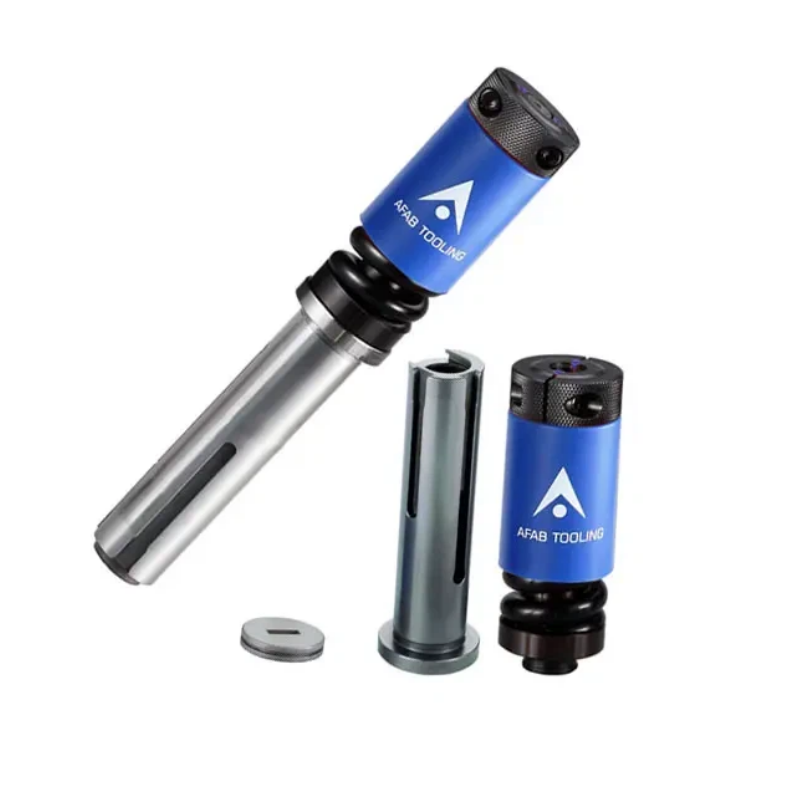
The following table provides a comparative breakdown of the costs associated with thick turret tooling, Trumpf tooling, Murata tooling, and thin turret tooling, helping manufacturers understand the trade-offs involved in choosing each type.
Cost Factor | Thick Turret | Trumpf | Murata | Thin Turret |
Initial Price | High | Medium-High | Medium | Low |
Maintenance | Medium | High | Medium | Medium |
Changeover Time | Medium | Fast | Fast | Fast |
Life Cycle Value | High | Very High | High | Medium |
This comparison will help businesses assess which tooling type offers the best value based on their specific production needs and budget constraints.
The punch tooling infrastructure cost can also be influenced by the type of material being processed and the complexity of the application. Thicker materials typically require more robust tooling, which increases the overall cost of production.
When working with thicker sheets of metal, thick turret tooling is often required. The need for larger, stronger punches and dies to handle the increased material thickness drives up the cost of the tooling. Additionally, high-tonnage presses are often needed to process thicker sheets, which further increases the investment in tooling infrastructure.
Different materials have different cutting characteristics, and tooling costs are often adjusted to accommodate these factors. For example, harder metals such as stainless steel will require more durable and more expensive tooling compared to softer metals like aluminum. Similarly, applications that involve intricate or complex designs may require custom tooling, which can increase the cost significantly. The complexity of the design affects both the tooling design and tooling wear, resulting in higher costs over time.
While punch tooling infrastructure cost can be significant, there are several ways to reduce tooling expenses without compromising on production quality. Here are some strategies that can help lower costs:
Standard Tooling: Using standard tooling options such as thin turret tooling can save money, especially for operations that do not require customized punches and dies. Standard tooling is versatile and can be used for a wide range of tasks, reducing the overall cost.
Custom Tooling: While custom tooling offers a tailored solution for specific applications, it is typically more expensive. However, it can offer long-term savings if it significantly improves production efficiency or part quality. Custom tooling is often necessary for complex parts that require a high degree of precision.
One of the most effective ways to reduce tooling costs is to regrind and reuse punches and dies. High-quality tooling such as Trumpf tooling and Murata tooling can often be reconditioned through regrinding, which extends the lifespan of the tools and ensures they remain functional. Reusing tooling instead of constantly purchasing new tools is a cost-effective strategy for maintaining tooling infrastructure while lowering long-term costs.
Understanding the punch tooling infrastructure cost is essential for making informed purchasing decisions that balance performance and price. By carefully considering the costs associated with different tooling types, including thick turret tooling, Trumpf tooling, Murata tooling, and thin turret tooling, buyers can select the best tooling solutions for their operations. At AFAB Tooling, we provide high-quality punch tooling solutions designed to meet the specific needs of your production process. Whether you're looking for precision, speed, or flexibility, we offer a range of tooling options to suit your needs. For more information, visit our product pages or contact us today.
1. What are the key factors that influence punch tooling infrastructure costs?
The main factors that affect tooling costs include the initial price of the tooling, the material being processed, maintenance costs, tool change speed, and the complexity of the application.
2. How do material types affect tooling costs?
Harder materials such as stainless steel require more durable tooling, which increases the cost. Additionally, thicker materials require larger and stronger tooling, which further drives up the cost.
3. What is the difference between standard and custom tooling?
Standard tooling is affordable and versatile but may not be suitable for complex or custom parts. Custom tooling is more expensive but is designed to meet specific needs and can improve long-term efficiency.
4. How can AFAB Tooling help my business save on tooling costs?
AFAB Tooling offers a wide range of affordable, high-quality tooling solutions, including regrinding services, to help you save on costs while maintaining high production standards. Contact us to learn more.


