


Views: 0 Author: Site Editor Publish Time: 2026-01-26 Origin: Site


In the field of sheet metal fabrication, punch tooling infrastructure plays a pivotal role in determining the overall efficiency, precision, and productivity of the manufacturing process. As one of the most fundamental aspects of any punching operation, tooling infrastructure influences the speed, cost-effectiveness, and quality of the output. The right tooling ensures that each punching operation is carried out with the highest precision while reducing material waste and downtime. Whether working with thick, heavy sheets of metal or needing rapid tooling changeovers for thin materials, the right punch tooling infrastructure is essential. At AFAB Tooling, we provide an extensive range of punch tooling solutions, such as thick turret tooling, Trumpf tooling, Murata tooling, and thin turret tooling, all designed to meet diverse production needs. In this article, we will delve deeper into what punch tooling infrastructure is, explore the different types available, and explain how these toolings contribute to optimized production processes.
Punch tooling infrastructure refers to the entire setup of tools, dies, punches, and associated components that work together to achieve precise, efficient cutting, forming, and shaping of sheet metal. It is a critical part of the punch press machine, which utilizes these tools to perform various manufacturing tasks. The tooling infrastructure is responsible for converting raw metal sheets into finished products by applying the necessary cutting, punching, and forming operations.
The main components of punch tooling infrastructure include:
Punch: The punch is the tool that physically penetrates the sheet metal to create the desired cut or shape. It is designed to withstand high forces while maintaining precision during the punching operation.
Die: The die complements the punch and serves as the counter-form for the material being punched. It ensures that the shape formed during the punch operation is correct and consistent.
Stripper: The stripper holds the material in place during the punching process and helps remove it from the punch after it has been cut.
Guide: The guide maintains alignment between the punch and die, ensuring that the punching operation is carried out accurately. It prevents any misalignment, which could lead to defective parts.
Each of these components must be properly maintained and calibrated to ensure the overall functionality of the tooling infrastructure. Together, they ensure that the punch press delivers accurate, high-quality results.
CNC (Computer Numerical Control) punch presses have revolutionized sheet metal fabrication by automating the punching process. Unlike traditional manual presses, CNC machines are controlled by computer software, which allows for precise, automated operation. The CNC punch press uses punch tooling infrastructure to automate punching tasks, thereby improving speed and accuracy while reducing human error. The CNC system allows the operator to input instructions for multiple operations, and the machine automatically adjusts to switch between different punches and dies as needed.
Turret vs Non-Turret Tool Systems
Turret Tool Systems: Turret punch presses are equipped with a rotating turret that holds multiple punches, enabling fast tool changes between operations. The turret is ideal for high-volume production environments where different punches are needed for various cutting or forming tasks. The multi-tool rotation ensures minimal setup time and allows for flexibility when working on different parts.
Non-Turret Tool Systems: Non-turret punch presses are simpler, featuring a fixed tooling setup. These systems are typically used for operations that require only one or two specific tools. While non-turret systems are often more affordable and easier to maintain, they lack the speed and versatility that turret systems provide for complex and high-volume operations.
Thick turret tooling is an essential part of punch tooling infrastructure designed for heavy-duty applications, particularly when working with thicker materials. This type of tooling supports the high tonnage required for cutting or punching through thick sheets of metal. It is commonly used in industries that require robust machinery capable of handling heavy loads and complex tasks.
Thick turret tooling typically uses multiple tool stations, each dedicated to different tasks such as punching, blanking, or forming. These stations are usually designated as A, B, and C stations, where different tools are mounted for various operations. The turret is a rotating mechanism that allows the machine to switch between these stations automatically, ensuring efficient and seamless production. The ability to switch between tools without manual intervention saves time and reduces setup costs.
High Tonnage Support: Thick turret tooling is specifically designed to support higher tonnage presses, making it ideal for heavy-duty operations that require significant force to punch through thick materials.
Durable Construction: The tooling is constructed from high-strength materials that are resistant to wear and tear, ensuring that it performs well over long periods of use.
Versatile Applications: It is used across a variety of industries that work with thicker metals or need to perform complex cutting or forming tasks, such as the automotive and aerospace industries.
The AFAB Tooling range of thick turret tooling includes several variations such as the Original, NEX, QuickAdjust, and Ultra options. These variants are specifically designed to meet the needs of different machines and operational requirements.
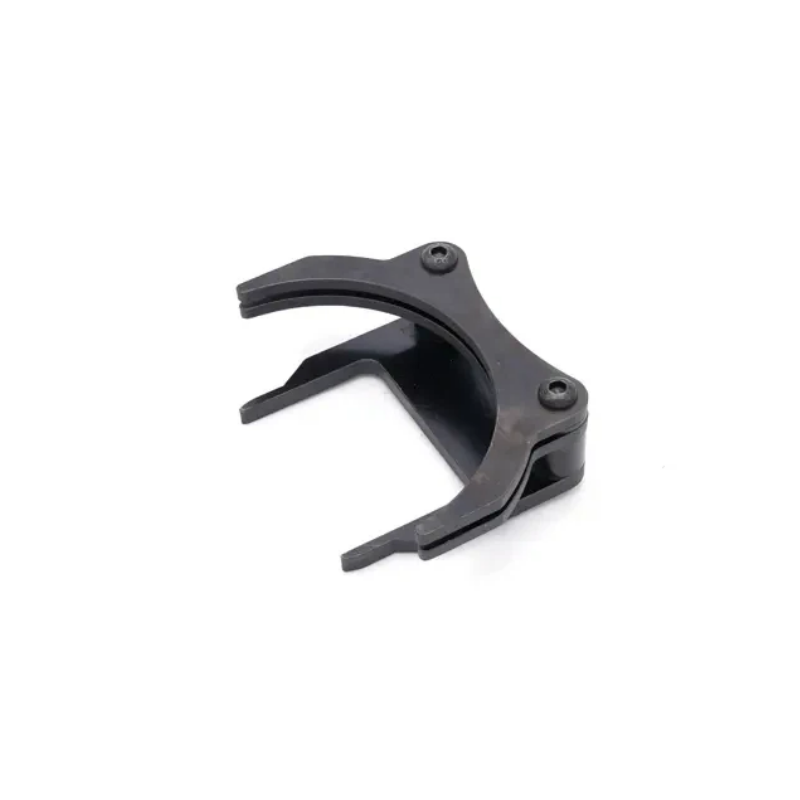
Trumpf tooling is another popular type of punch tooling infrastructure that is known for its high-speed performance and exceptional precision. Trumpf tooling is engineered to provide fast tool changes and consistently high-quality results, making it ideal for high-volume manufacturing.
One of the standout features of Trumpf tooling is its ability to provide quick tool changes, ensuring minimal downtime between operations. With the QuickAdjust, 90, and Ultra options, manufacturers can quickly switch tools to accommodate different parts or design specifications. This quick changeover feature is particularly beneficial in environments where time is of the essence, and efficiency is key.
Trumpf tooling is designed to deliver precise results even in high-volume production, where accuracy is critical to achieving consistently high-quality parts. The ability to switch tools quickly without sacrificing precision makes it an ideal choice for industries that demand speed and accuracy in equal measure.
Murata tooling offers a modular design that provides increased flexibility and adaptability. This type of tooling is ideal for industries that require frequent changes in tooling or need to accommodate varying production needs. The modular system allows for rapid adjustment and integration of different tools without the need for extensive downtime.
Murata tooling is particularly useful for complex forming operations. The modular nature of this tooling allows manufacturers to easily adapt to different production requirements and handle a variety of parts with ease. Murata tooling is perfect for industries such as electronics, medical devices, and automotive, where complex shapes and precision are necessary.
Thin turret tooling is designed to offer rapid tool changes and high flexibility for light sheet metal applications. This type of tooling is particularly beneficial for industries that require high-speed production and frequent tooling changes.
The main advantages of thin turret tooling are its low cost and fast changeover speed. These tools are lightweight and ideal for operations involving thin materials, such as electronics and small-scale part production. The fast setup and changeover time ensure that manufacturers can keep production lines moving with minimal delays, increasing overall productivity.
The following table compares the key features of the different punch tooling infrastructures to help you choose the best option for your business needs:
Feature | Thick Turret | Trumpf | Murata | Thin Turret |
Change Speed | Medium | Fast | Fast | Very Fast |
Precision | High | Very High | High | Medium |
Thick Sheets | Yes | Yes | Medium | No |
The punch tooling infrastructure you choose plays a direct role in determining the dimensional accuracy and edge quality of your manufactured parts. High-quality tooling ensures that parts are consistently produced to the required specifications, reducing the chances of defects. Moreover, it contributes to achieving smoother edges, which is essential in applications where aesthetics or precise fitting are important.
In summary, understanding the role of punch tooling infrastructure is crucial to ensuring efficient and high-quality production outcomes. Whether using thick turret tooling, Trumpf tooling, Murata tooling, or thin turret tooling, each type of tooling offers unique benefits that cater to different production needs. At AFAB Tooling, we provide top-quality tooling solutions designed to optimize your manufacturing processes. If you are looking to enhance the precision and efficiency of your production, visit our product pages or contact us today for personalized assistance.
1. What is punch tooling infrastructure?
Punch tooling infrastructure refers to the tools and equipment used in punch presses to perform operations such as cutting, forming, and shaping sheet metal.
2. How does punch tooling infrastructure impact production?
The infrastructure influences how quickly and precisely materials are processed, ensuring consistent quality and reduced operational costs.
3. Why should I choose Trumpf tooling?
Trumpf tooling offers fast tool changeover and high precision, making it ideal for high-volume production where speed and accuracy are key.
4. How can AFAB Tooling help my business?
AFAB Tooling provides a wide range of high-quality tooling solutions that enhance production efficiency and help maintain high-quality standards. Contact us to discuss your specific needs.


