


Views: 0 Author: Site Editor Publish Time: 2025-07-25 Origin: Site


In modern manufacturing, precision and reliability are non-negotiable. Whether you're producing components for automotive, aerospace, construction, or consumer electronics, every punched hole, contour, and feature must be consistent, accurate, and cost-effective. That’s why choosing the right Trumpf tooling is essential to the success of your sheet metal production line.
Tooling is more than a simple accessory to your punching machine—it is the heart of performance. Your choice of punches, dies, and forming tools determines not just the quality of your parts, but also your efficiency, scrap rate, tooling life, and even the long-term health of your machines. In this guide, we will explain how to select the most suitable Trumpf tooling for your application and introduce a globally trusted supplier, AFAB Tool Limited, whose expertise and products can significantly enhance your production capabilities.
To learn more or request a quote, visit www.afabtool.com
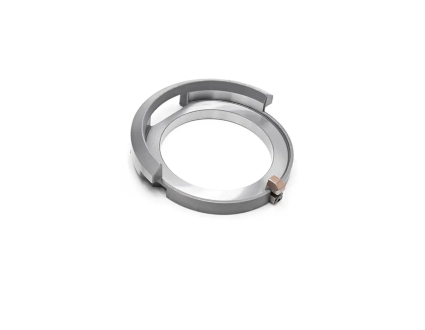
Trumpf machines are known worldwide for their advanced punching technology, high-speed automation, and long-term reliability. However, these machines rely on perfectly matched tooling systems to deliver their best performance. Trumpf tooling is engineered with precision tolerances, premium materials, and coating technologies to withstand thousands—even millions—of punching cycles without compromising on accuracy.
Using the correct tooling ensures reduced tool change times and faster cycle rates, superior part consistency and edge quality, extended tool life and lower replacement frequency, reduced machine wear and downtime, and compatibility with automation features like auto-indexing, tool ID, and stroke optimization.
In contrast, using the wrong tools—or inferior aftermarket versions—can damage your machines, increase scrap, and disrupt your production schedule.
Not all Trumpf machines use the same tooling system. Some older machines are compatible with classic Trumpf-style tools, while newer TruPunch models are designed for modular, high-efficiency tool sets. Before selecting tooling, you should understand the make and model of your punching machine, the turret configuration and tool holder type, whether your machine uses single-station or multi-station tools, and automation systems such as automatic tool change and tool recognition.
Even small mismatches in tool geometry can lead to tool jamming, wear on machine components, or inconsistent punch depths. Always choose tooling that is specifically designed to fit your machine’s requirements.
Trumpf tooling must align with your production goals. Start by analyzing your fabrication workflow. Consider the sheet thickness and material type you process, your batch sizes and production frequency, the types of holes, cutouts, slots, or forming features you need, and your tolerance and edge finish expectations.
For instance, high-volume runs with repetitive punching on stainless steel will benefit from coated long-life punches made from powder metallurgy steel. On the other hand, low-volume, custom-shaped parts may require modular tooling with flexible geometries and quick-change capabilities.
Custom tools may cost more upfront, but they reduce downstream processing such as deburring, welding, or assembly adjustments—saving time and labor in the long run.
Tool longevity and punching precision depend on material hardness, impact resistance, and thermal stability. Premium Trumpf-compatible tooling is typically made from high-speed steel (HSS), powder metallurgy (PM) steel, or carbide—all chosen for their resistance to wear and deformation.
Beyond the base material, advanced coatings are also key to long-lasting performance. TiN (Titanium Nitride) improves wear resistance and surface hardness and is ideal for mild steel and low-friction punching. TiCN (Titanium Carbonitride) offers better resistance for stainless steel or hard materials. AlTiN (Aluminum Titanium Nitride) is best suited for high-speed or high-temperature applications.
Using properly coated tools reduces friction, prevents heat buildup, and minimizes tool sticking—especially useful when punching adhesives or coated materials.
Trumpf tooling comes in a variety of shapes and configurations tailored to different fabrication needs. The most common include round punches and dies for standard holes, oblong and rectangular punches for slots and connector cuts, square, hexagonal, or custom profile punches for specialty panel features, multi-tools that enable multiple punch shapes in a single station, and indexable tools for angular positioning during rotation.
For forming operations, you can use embossing tools for raised logos or part identifiers, louver tools for ventilation slots, countersink tools for flat-head fasteners, and tapping tools for internal threads.
Each tool must be selected according to its fit with part design, material flow, and production tolerance.
One of the most common mistakes manufacturers make is selecting tools based solely on purchase price. In reality, cheap aftermarket tooling tends to wear quickly, break unexpectedly, and result in excessive scrap. The downtime caused by poor tooling can be more expensive than the tool itself.
Instead, consider the total cost of ownership. This includes the initial tool purchase cost, the average lifespan in number of hits, the time and labor required for tool changes and maintenance, the number of quality issues (burrs, rejects, rework), and the impact on machine wear and performance.
Investing in high-quality tooling ensures longer tool life, more consistent production, and fewer machine issues. Over time, this translates into lower cost per part and a stronger bottom line.
Once you select the right tools, your job isn’t over. Proper storage and maintenance routines are critical to extending tool life and maintaining punching quality.
Best practices include storing tools in labeled drawers or cabinets, regularly inspecting punch and die wear, cleaning and lubricating tools before and after use, sharpening punches when necessary, and using digital tool tracking if your machine supports it.
Also, maintaining a tool usage and sharpening log can help predict tool failure, streamline replacement scheduling, and reduce unplanned stoppages.
Even the best tooling decisions can fail if the supplier lacks consistency or support. A trustworthy tooling partner will not only deliver quality products but also help you optimize tool selection, design, and application.
That’s why many manufacturers around the world rely on AFAB Tool Limited for their Trumpf-compatible tooling needs.
AFAB Tool Limited is a professional supplier of high-precision Trumpf-compatible tooling. With a strong international presence and a reputation for quality, AFAB delivers tooling solutions that meet or exceed OEM standards in both performance and durability.
They offer an extensive product range including standard punches and dies for round and shaped holes, forming tools for embossing, louvers, and tapping, custom-built tools based on customer drawings, and indexable and multi-tool solutions for space-saving and efficiency.
All products are made from premium materials with strict quality control. Their advanced coating options ensure longer tool life and consistent punching performance.
Customers also benefit from expert consultation, fast global shipping, and responsive after-sales support. Whether you’re operating a high-speed Trumpf TruPunch line or a manual turret machine, AFAB has the knowledge and capability to deliver tools that match your requirements exactly.
Visit www.afabtool.com to explore the full product range or request a personalized quote.
Choosing the right Trumpf tooling is not just a technical decision—it’s a strategic one. Your tools directly impact production speed, quality, reliability, and costs. From machine compatibility and tool material to coating technology and supplier expertise, every aspect matters.
Make informed decisions based on your machine model, part requirements, material types, and long-term production goals. Invest in tooling that aligns with your growth and efficiency needs.
By working with a trusted supplier like AFAB Tool Limited, you gain access to world-class products, technical knowledge, and global support. Don’t let poor tooling choices hold you back—equip your production line with tools designed for precision, durability, and performance.
For high-quality Trumpf tooling that drives results, visit www.afabtool.com today and experience the difference that professional tooling can make.


