


Views: 0 Author: Site Editor Publish Time: 2026-10-09 Origin: Site


Every fabricator knows the sound of a struggling punch press. When a CNC machine grinds to a halt just to swap out a galled tool, production schedules slip immediately. Operational costs multiply rapidly. Machine downtime caused by premature punch wear and severe material adhesion is a universal frustration on the shop floor.
Sourcing high-quality FAB Type thick turret tooling establishes a solid foundation for reliable stamping. However, to genuinely maximize your return on investment and keep machines running continuously, you must select the exact right tool coating for your specific material applications. Physical Vapor Deposition coatings are the proven engineering solution to extending punch life. They drastically reduce friction and slash ongoing maintenance expenses.
This technical guide breaks down the most effective tooling surface treatments in the metal forming industry. By understanding the metallurgy behind TiN, TiCN, and DLC, fabrication managers can make objective, data-driven decisions for their unique stamping environments.
Recent market analyses reveal a significant evolution in sheet metal fabrication. Manufacturers are aggressively transitioning toward lightweight, high-strength materials. Advanced high-strength steels for automotive components and aerospace-grade aluminum alloys are now standard fare. Consequently, the mechanical demands placed on CNC punch presses have skyrocketed.
Standard bare tool steel is rapidly becoming obsolete in these high-volume production environments. Fabrication shops prioritizing advanced surface treatments are seeing up to a 40 percent reduction in unplanned machine downtime. This industry-wide migration underscores a critical reality. Engineered tooling coatings are no longer an optional luxury. They are a baseline requirement for maintaining competitive profit margins and meeting tight modern manufacturing tolerances.
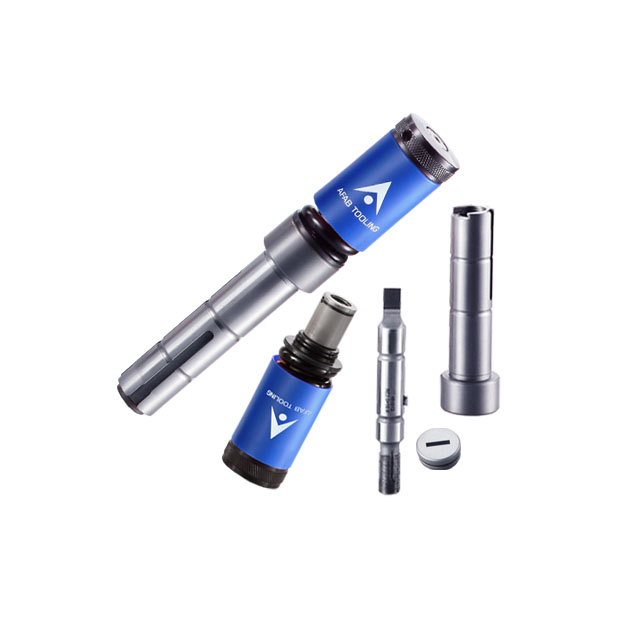
Relying on standard uncoated tools for high-volume production introduces hidden operational penalties. These penalties far exceed the initial savings on the purchase price. To fully grasp the value of advanced surface treatments, we must examine the harsh physical realities of tool failure.
Look closely at the exact moment a punch strikes a sheet of metal. In that fraction of a second, extreme pressure and blistering localized heat converge directly on the fragile cutting edge. When operating without a protective barrier, the raw tool steel is entirely exposed to the abrasive nature of the sheet metal.
This violent interaction frequently triggers galling. Galling occurs when microscopic particles of the sheet metal melt and literally weld themselves to the tip and flanks of the punch. As the machine attempts to strip the tool out of the material, it tears these micro-welds. Jagged residual material remains adhered to the tool steel. Over consecutive hits, this buildup physically swells the diameter of the punch. It destroys your precise die clearance and results in severe, unacceptable burrs on the final fabricated part.
Beyond the immediate physical damage, rapid abrasive wear forces operators to halt the CNC machine constantly. The true cost of uncoated tools includes lost production hours during these shutdowns. You must also factor in the manual labor required for constant tool sharpening and the accelerated consumption of the tool steel itself. Upgrading to coated tooling stabilizes these chaotic production cycles.
Tool coatings are not merely cosmetic paints. They are highly engineered metallurgical barriers designed to fundamentally alter how the tool interacts with raw materials.
Physical Vapor Deposition is a highly controlled vacuum coating process. Inside a specialized chamber, solid coating materials like titanium are vaporized and reacted with specific gases. They condense onto the tool steel to create a microscopic, ultra-hard layer. This layer is typically only 2 to 5 microns thick. Because it is exceptionally thin, it molecularly bonds to the substrate without negatively impacting the dimensional accuracy of the punch.
Engineered coatings protect your tooling investment through three primary mechanical mechanisms.
First is surface hardness. While standard tool steel hovers around a Vickers Hardness rating of 600 to 800, advanced coatings push the surface hardness above 2300. This acts as an impenetrable shield against abrasive wear and edge micro-chipping.
Second is lubricity. Coatings significantly lower the coefficient of friction. This allows the punch to slide in and out of the sheet metal effortlessly. It reduces the required stripping force and actively prevents material adhesion.
Finally, these layers act as a thermal barrier. High-speed CNC nibbling generates intense heat. The coating prevents this heat from soaking into the core tool steel, thereby preserving its structural temper and integrity.
Easily identifiable across any shop floor by its signature bright gold color, Titanium Nitride is the most widely adopted surface treatment in the metal fabrication industry today.
A standard TiN Coated Thick Turret Punch offers a substantial structural upgrade over bare M2 or SKH51 tool steel. It boasts a surface hardness of approximately 2300 Vickers and can withstand operating temperatures up to 600 degrees Celsius. By lowering the friction coefficient to around 0.4, it guarantees a much smoother stripping action during the machine upstroke.
Titanium Nitride is universally recognized as the premier all-around choice for general-purpose fabrication. If your facility processes a wide variety of standard materials daily, this option provides incredibly balanced, predictable performance. Specifically, for standard 1.5mm to 3mm mild steel applications, equipping your basic stations with a treated punch will effectively eliminate early edge dulling. It ensures clean, burr-free holes for thousands of additional hits.
When modern manufacturing calls for stronger and tougher materials, standard treatments sometimes fall short. Titanium Carbonitride, distinguished by its unique blue-gray or bronze appearance, is engineered specifically for environments that destroy ordinary tools.
By introducing carbon into the titanium matrix during the vacuum process, metallurgists create a significantly denser coating. A TiCN Coated Thick Turret Punch achieves a remarkable surface hardness approaching 3000 Vickers. This structural density provides superior abrasive wear resistance. It also offers a slightly lower friction coefficient than standard gold coatings.
Investing in this heavy-duty option is mandatory for high-impact jobs. It is the absolute ideal solution for processing 304 and 316 stainless steel, high-strength low-alloy steels, and other highly abrasive metals. Stainless steel is notorious for its work-hardening properties. The massive impact shock during punching often causes uncoated edges to chip instantly. The carbonitride layer reinforces the punch tip. This allows it to shear cleanly through tough materials without degrading, maintaining strict dimensional accuracy over long production runs.
While extreme hardness is critical for stainless steel, sticking and micro-welding are the primary enemies when processing softer non-ferrous materials. Diamond-Like Carbon, instantly recognizable by its sleek jet-black finish, is a highly specialized treatment designed to solve the industry's most frustrating galling problems.
As the name implies, this treatment shares several structural properties with natural diamond. While it offers impressive hardness, its true superpower lies in its extreme lubricity. Diamond-Like Carbon boasts one of the lowest coefficients of friction available in industrial applications, often measuring as low as 0.15. It essentially acts as a permanent dry solid lubricant molecularly bonded to the tool.
A DLC Coated Thick Turret Punch is the ultimate problem-solver for sticky materials. When punching 5000-series aluminum, copper, or galvanized steel, soft surface materials like zinc tend to melt and adhere to the punch almost instantly. The ultra-smooth, non-stick black surface aggressively repels these metals.
Furthermore, by preventing zinc and aluminum from welding to the punch flanks, operators no longer need to halt the machine to manually scrub tools with abrasive stones. This manual cleaning wastes valuable time and prematurely wears down the tool diameter. With the right anti-galling layer, the punch stays clean, stripping forces remain low, and machine uptime is maximized.
Selecting the right treatment is a matter of matching the metallurgical properties of the punch surface to the specific characteristics of the sheet metal. To facilitate a confident engineering decision, use the following matrix as a strict reference guide.
Coating Type | Visual Color | Approx. Hardness (Vickers) | Friction Coefficient | Ideal Material Applications |
|---|---|---|---|---|
Uncoated | Silver | 600 - 800 | ~0.60 | Short runs, prototyping, plastics |
TiN | Gold | ~2,300 | ~0.40 | Mild steel, cold-rolled steel |
TiCN | Blue-Gray / Bronze | ~3,000 | ~0.30 | Stainless steel, high-tensile steel |
DLC | Black | ~2,500 | ~0.15 | Aluminum, galvanized steel, copper |
Purchasing premium tooling is only the first step. To ensure these tools actually deliver their promised lifespan extension, machine operators must adhere to strict maintenance protocols. Neglecting basic tooling care will quickly neutralize the benefits of even the most advanced metallurgy.
A widespread misconception on the shop floor is that treated punches cannot be sharpened. In reality, they absolutely can and should be sharpened as part of routine maintenance. When you grind the tool, you are only removing the top layer from the flat cutting face. The critical protective layer remains completely intact on the side flanks of the punch.
Most friction and galling occur on the flanks during the stripping cycle. Therefore, the tool retains nearly all of its anti-galling and low-friction benefits after sharpening. Standard Cubic Boron Nitride grinding wheels work perfectly. Just ensure adequate, high-quality coolant is used to prevent thermal shock to the tool steel core.
No surface treatment in existence can compensate for incorrect die clearance. If the clearance is too tight, the stripping force will skyrocket. This places immense lateral pressure on the punch flanks and overpowers the protective layer. In contrast, if it is too loose, the material will roll and cause excessive edge wear. Always calculate clearance accurately based on the specific material thickness and tensile shear strength to ensure a clean fracture.
While treatments like Diamond-Like Carbon offer exceptional dry lubricity, they are not a complete replacement for proper machine lubrication. Utilizing in-machine sheet lubrication systems, such as automated oil misting, further reduces friction. It also helps flush away microscopic abrasive particles. The combination of a high-quality surface treatment and a light application of stamping fluid creates an optimal cutting environment.
Transitioning your tool crib to advanced tooling requires a strategic evaluation of your daily operations. Rather than blindly upgrading every tool in the catalog, fabrication engineers should audit their most commonly punched materials. Target the turret stations that experience the highest wear rates.
If your production is dominated by standard mild steel enclosures, standardizing on gold Titanium Nitride will provide a noticeable boost in longevity without straining the budget. However, if your shop frequently wins contracts for stainless steel kitchen equipment or architectural aluminum panels, investing in targeted heavy-duty and anti-galling solutions is a financial necessity to maintain profitability. Integrating these advanced punches into robust, precision-guided holders ensures rigid alignment, minimizing angular deflection and maximizing the tool lifespan.
To genuinely eliminate premature tool wear and optimize your punch press performance, it is crucial to source precision-engineered components. Visit https://www.afabtool.com to explore a comprehensive range of high-performance thick turret tooling, configure the exact coatings required for your tough materials, and instantly upgrade your fabrication efficiency.
Typically, treated punches last two to five times longer than uncoated alternatives. The exact lifespan multiplier depends heavily on the material being punched, the specific layer applied, and whether precise die clearance and lubrication practices are maintained by the machine operator.
Yes, absolutely. If your production primarily involves punching stainless steel or high-tensile materials, the upgrade is mandatory. The significantly increased surface hardness prevents rapid edge wear, micro-chipping, and the frequent downtime associated with punching tough alloys, saving your shop money in the long run.
While no physical tool is completely immune to wear forever, Diamond-Like Carbon is widely considered the most effective solution available in the industry for preventing galling on aluminum. Its ultra-low friction properties actively prevent soft metals from micro-welding to the punch, drastically reducing the need for manual cleaning stops.
Galvanized steel features a soft zinc layer that is highly prone to melting and sticking to tool steel during the punch cycle. Diamond-Like Carbon is the absolute best choice for this application. Its extreme lubricity and non-stick properties prevent the zinc from adhering to the punch flanks, ensuring clean holes and low stripping forces.
Yes. Because advanced treatments significantly lower the coefficient of friction and prevent material buildup on the tool flanks, the punch retracts smoothly through the sheet metal. This eliminates the dragging effect caused by galled tools, directly preventing deep scratches and surface defects around the punched hole.
No, standard Cubic Boron Nitride grinding wheels work perfectly for sharpening. The most critical factor during maintenance is ensuring you use adequate, high-quality coolant during the grinding process. This prevents heat damage and preserves the temper of the tool steel substrate.


