


Views: 0 Author: Site Editor Publish Time: 2026-02-02 Origin: Site


Punch tooling infrastructure is an essential aspect of sheet metal fabrication, playing a significant role in achieving efficient, high-quality production. The selection and use of the right punch tooling infrastructure are key factors that influence production speed, precision, and overall quality. The choice of tooling infrastructure impacts everything from material processing and setup times to the final output, so understanding how to use this infrastructure effectively is essential for manufacturers seeking optimal results. AFAB Tooling offers a wide range of tooling solutions that are tailored to meet various production needs, including thick turret tooling, Trumpf tooling, Murata tooling, and thin turret tooling. In this article, we will discuss the steps for properly setting up and using punch tooling infrastructure, along with the operational practices that will help you achieve reliable results in sheet metal production.
Setting up your punch tooling infrastructure correctly is crucial to maximizing production efficiency and minimizing errors. The right tooling setup ensures that your machine works smoothly and consistently, reducing operational downtime and helping you achieve precise results.
Selecting the right tooling types for your application is the first step in ensuring your production runs smoothly. The material type, part geometry, and thickness should dictate your choice of tooling. Here’s a breakdown of how to choose the appropriate tooling:
Thick Turret Tooling: This type of tooling is perfect for cutting through thicker materials that require high tonnage. If your production involves heavy-duty work such as cutting thick sheets, this is the tooling type to use.
Trumpf Tooling: Known for its high precision and speed, Trumpf tooling is ideal for applications that require fast tool changes and precision, especially in high-volume production environments.
Murata Tooling: The modularity of Murata tooling makes it a great choice for operations requiring flexible setups and rapid changes. It’s best suited for applications where customization and adaptability are crucial.
Thin Turret Tooling: This is the ideal choice when working with lightweight materials. Thin turret tooling is optimized for high-speed production and frequent tooling changes, making it an excellent option for industries dealing with thin metal sheets or small parts.
Once the tooling types have been selected, it’s important to ensure that the tooling is aligned with the press type being used. Different punch press machines have varying requirements, and ensuring compatibility with the tooling is crucial for maintaining efficient operations.
CNC Turret Punch Presses: CNC-controlled turret press machines are highly adaptable and can accommodate multiple tooling options, making them ideal for jobs that require frequent tool changes. These machines are equipped with a rotating turret that holds various punches and dies, allowing for quick, automated tool changes.
Non-Turret Punch Presses: These machines typically use fixed tooling setups, and they are more suited to operations where a single type of tool is required for most of the work. While simpler, they lack the speed and flexibility of turret punch presses.
Proper installation of thick turret tooling is key to ensuring the machine operates at its best. Installing tooling requires attention to detail and precision to ensure that the tooling is mounted correctly and aligned properly for optimal performance.
Step 1: Begin by securely mounting the punch into the turret tool station. Proper mounting ensures that the punch is firmly in place and aligned with the die.
Step 2: Attach the die opposite the punch and check the alignment between the two. The punch and die should be aligned accurately to ensure the material is cut cleanly and consistently.
Step 3: Run a few test punches to check the alignment and adjust if necessary. This will ensure that the punch and die are working together seamlessly.
For thick turret tooling, systems such as QuickAdjust and Ultra are designed to make tool adjustments easy and fast. These systems allow for precise changes in the tooling setup, improving the efficiency of the setup process.
QuickAdjust: This system enables quick adjustments for different part sizes and material types, making it ideal for jobs that require frequent changes.
Ultra: Known for its high precision, the Ultra system allows for minute adjustments to ensure the highest level of accuracy in the punch process.
These adjustable systems help reduce downtime and increase throughput, which is especially beneficial for operations that need to switch between different tooling configurations quickly.
Trumpf tooling is designed to provide high precision and fast tool changes, making it ideal for high-volume production environments. The installation process is straightforward, and with the right tools, it’s easy to get your Trumpf tooling setup working efficiently.
Step 1: Mount the Trumpf punch and die into the machine’s turret. Trumpf tooling is designed for quick mounting, reducing setup time and ensuring that the tooling is securely attached.
Step 2: The quick-lock feature of Trumpf tooling allows you to lock the punch and die in place quickly, which reduces downtime and speeds up the process.
Step 3: Align the tooling for precise cutting, ensuring that the Trumpf tooling is calibrated correctly to produce consistent results with minimal material waste.
The quick-lock feature enables manufacturers to change tooling rapidly without sacrificing precision, making Trumpf tooling ideal for fast-paced production environments.
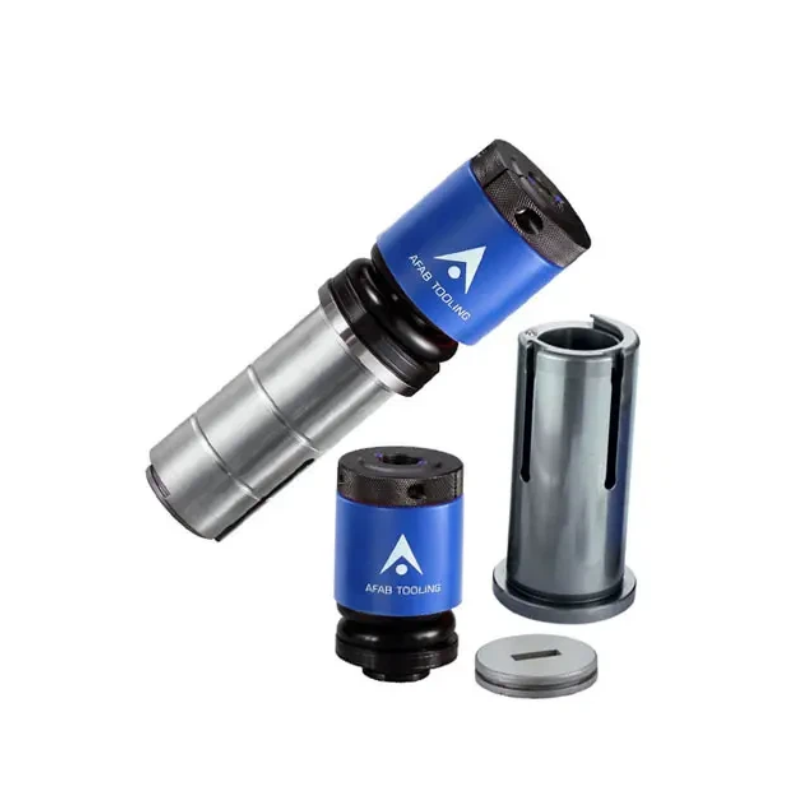
Murata tooling and thin turret tooling are both designed for environments that require quick changeovers and adaptability. These tool types are especially useful for manufacturers who work with diverse part designs or lightweight materials.
Both Murata tooling and thin turret tooling are built for quick tool changes. This is important for operations where part types vary frequently, and minimizing downtime between setups is a priority.
Murata Tooling: The modular design of Murata tooling makes it easy to switch between different tools for various tasks. Its flexibility is ideal for applications that require frequent tool adjustments or customizations.
Thin Turret Tooling: Thin turret tooling is optimized for speed and ease of use, making it perfect for industries that need to process thin materials quickly. The tooling system is designed for rapid changeovers, ensuring that manufacturers can maintain high throughput without sacrificing quality.
This table summarizes the best practices for each type of tooling, helping manufacturers identify the ideal operational approach based on their needs.
Step | Thick Turret | Trumpf | Murata | Thin Turret |
Setup | Medium | Fast | Fast | Very Fast |
Maintenance | Weekly | Weekly | Weekly | Daily |
Tool Change | Medium Speed | High Speed | High Speed | Very High |
The table outlines the setup speed, maintenance frequency, and tool change speed for each tooling type, allowing you to choose the right tooling for your specific production needs.
Proper maintenance is key to ensuring that your punch tooling infrastructure lasts longer and continues to produce high-quality parts. Here are some tips for maintaining your tooling:
Sharpen: Regularly sharpen the punches to maintain their cutting performance. Dull punches can lead to poor-quality parts and increased material waste.
Align: Make sure the punch and die are properly aligned to avoid any misalignment that could lead to defective parts.
Clean: Keep the tooling clean to prevent buildup that can affect performance. Regular cleaning also helps prevent tool wear and extends the life of your equipment.
Regular maintenance ensures that your tooling remains in peak condition, which leads to improved efficiency, reduced downtime, and lower operating costs.
How to use punch tooling infrastructure effectively requires a solid understanding of the tooling types available, proper installation procedures, and adherence to best practices. By selecting the right tooling for your specific production needs, ensuring proper installation, and following maintenance guidelines, you can achieve high productivity and consistent quality in your sheet metal production. At AFAB Tooling, we provide a wide range of punch tooling solutions, including thick turret tooling, Trumpf tooling, Murata tooling, and thin turret tooling, all designed to optimize your manufacturing processes. If you are looking to improve efficiency and precision in your operations, visit our product pages or contact us today to learn more about how we can support your business.
1. What is punch tooling infrastructure?
Punch tooling infrastructure refers to the tools, dies, and components used in punch presses for cutting, forming, and shaping sheet metal.
2. How do I choose the right tooling for my production?
Selecting the right tooling depends on factors such as material type, part geometry, and production speed. Thick turret tooling is ideal for heavy-duty jobs, while Trumpf tooling is better suited for high-speed, high-precision applications.
3. How often should I maintain punch tooling?
AFAB Tooling recommends weekly maintenance for most types of tooling, with daily checks for thin turret tooling due to its higher changeover rate.
4. How can AFAB Tooling help my business?
AFAB Tooling offers a wide variety of high-quality tooling solutions that improve efficiency, reduce downtime, and maintain high-quality standards. Contact us for personalized support.


