


Views: 0 Author: Site Editor Publish Time: 2025-07-28 Origin: Site


When it comes to sheet metal processing, every millimeter matters. Whether you're running high-speed punching operations or precision fabrication, the efficiency and durability of your Trumpf tooling can significantly impact your productivity, product quality, and bottom line. Investing in high-quality Trumpf tooling is only the first step—proper maintenance is what ensures that investment pays off in the long run.
In this article, we’ll walk you through essential maintenance tips to help you extend the life of your Trumpf punching and forming tools, optimize machine performance, reduce tool-related downtime, and ensure consistent output. If you're looking for professional tooling solutions and technical support, visit www.afabtool.com to explore high-quality Trumpf-compatible tooling from AFAB Tool Limited.
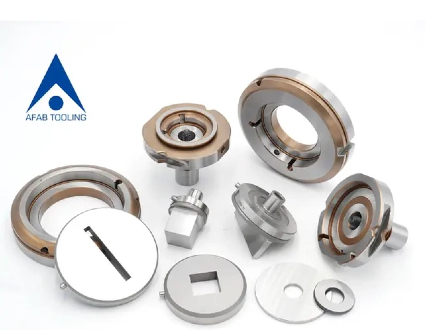
Trumpf punching machines are engineered for high performance, precision, and automation. However, their effectiveness largely depends on the condition of the tools they use. Improperly maintained tooling can result in burrs, material deformation, oversized holes, frequent tool changes, and even damage to the machine turret or ram.
By incorporating a structured maintenance routine, you benefit from:
Extended tool lifespan
Higher punching quality and consistency
Reduced scrap and rework
Improved machine uptime
Lower tooling replacement costs
Safer operation and reduced operator stress
Let’s explore key maintenance practices that can protect your Trumpf tooling and maximize your return on investment.
Routine visual and dimensional inspection is the cornerstone of tool maintenance. Before and after every production cycle, inspect the punches and dies for signs of:
Cracks, chipping, or visible wear on the punch tip
Burrs or sharp edges on the die opening
Uneven tool wear or deformation
Alignment and fit issues in the punch guide or holder
Use a microscope or magnifying glass to check for micro-cracks that can grow into major defects. Early detection allows you to regrind or replace the tool before it causes quality issues or damages your machine.
Dull punches and dies are a major cause of burrs, excessive noise, and increased punching force. A sharp cutting edge ensures clean holes, reduces machine load, and extends the life of your tool and machine components.
Here’s how to maintain edge sharpness:
Regrind punches and dies after a specific number of hits (depending on material hardness and coating)
Follow Trumpf or tooling supplier guidelines for the sharpening angle (usually 2–4° per side)
Use a precision tool grinder with a coolant system to avoid overheating
Never over-grind, as excessive material removal weakens the tool
Keep a sharpening log to track the regrinding history of each tool.
Friction is one of the leading causes of wear and heat in punching applications. Proper lubrication reduces metal-on-metal contact, dissipates heat, and prevents premature coating degradation.
Follow these best practices:
Use high-quality punch lube formulated for metal forming
Apply lubricant to both the punch tip and die entry during setup
Reapply lubrication during long production runs
Avoid excessive lubrication, which can attract dirt or material buildup
If you are punching galvanized or sticky materials, use a dry-film lubricant to avoid contamination.
Cleanliness directly affects tool performance. After each use, remove metal shavings, oil residue, and debris from all tool surfaces. Failure to do so can result in corrosion, reduced alignment accuracy, and premature wear.
Best practices include:
Wipe tools clean with lint-free cloths
Use a non-abrasive cleaning solvent to remove contaminants
Dry tools completely to prevent rust
Apply a light coat of rust-preventive oil for storage
Store tools in a dry, clean environment using labeled holders or drawers to prevent damage and confusion.
Misalignment between punch and die causes uneven wear, off-center holes, and tool chipping. Always follow the recommended setup procedures when mounting tools into the machine.
Tips for correct tool alignment:
Ensure the punch is centered over the die opening
Use alignment pins or jigs if necessary
Avoid overtightening or forcing tools into position
Confirm that spring-loaded strippers or guides are properly installed
If your machine has an automatic tool changer or tool ID system, regularly calibrate and test the alignment to maintain system accuracy.
Tool life tracking helps you prevent unexpected breakdowns and schedule maintenance proactively. Digital tool tracking systems or even simple spreadsheets can be used to log:
Number of hits or strokes per tool
Material type and thickness punched
Sharpening intervals and results
Failure events or abnormal wear patterns
Modern Trumpf machines may include a tool life monitoring function. Use this data to optimize your production runs and prioritize tool replacement or regrinding.
Trumpf tooling with advanced surface coatings—such as TiN, TiCN, or AlTiN—has a higher resistance to heat, abrasion, and galling. These tools last longer and require less frequent maintenance.
Maintenance tips for coated tools:
Do not overheat during sharpening—use coolant at all times
Use soft brushes to clean coated surfaces to avoid scratching
Avoid punching dry—use lubricant to maintain coating integrity
Use coated tools for demanding applications like stainless steel or abrasive materials
Though coated tools cost more upfront, they deliver much better life cycle value when maintained correctly.
The performance and maintainability of your tools start with their design and build quality. Poorly made or unbalanced tools wear faster, chip easily, and cause problems during setup or operation. That’s why partnering with a dependable tooling supplier is just as important as maintaining your tools properly.
For high-performance Trumpf-compatible tooling, manufacturers worldwide trust AFAB Tool Limited. Their products are manufactured to OEM-grade standards, ensuring:
Precision fit with Trumpf machines
Excellent wear resistance and dimensional stability
Long-lasting coatings
Compatibility with automation and tool management systems
To learn more or request a custom solution for your punching operation, visit www.afabtool.com and explore AFAB’s comprehensive tooling catalog.
Even the best maintenance plan can fail without proper training. Ensure your operators understand:
How to inspect tools correctly
When and how to regrind or replace them
How to perform safe and accurate installations
The impact of poor maintenance on machine health
Regularly review maintenance procedures and update documentation based on machine upgrades or tooling changes.
Tool storage might seem simple, but it's often overlooked. When tools are stacked, mixed, or exposed to dirt and moisture, they wear prematurely—even without being used.
Best practices include:
Using custom drawers or tool cabinets with foam inserts
Labeling each tool with its shape, size, and intended use
Keeping tools away from corrosive environments
Storing tools vertically or in padded racks to prevent chipping
Long-term storage should include a protective oil coating and moisture-absorbing packets in sealed containers.
Maintaining your Trumpf tooling isn’t just about prolonging tool life—it’s about protecting your entire production process. Clean punches produce cleaner parts. Sharpened edges mean less scrap. Proper lubrication reduces stress on your machines. In short, maintenance turns your tooling investment into real performance.
By following the tips outlined in this article—routine inspection, sharpening, lubrication, proper alignment, and good storage practices—you can dramatically improve tool life, punching accuracy, and machine uptime.
Partnering with a trusted supplier like AFAB Tool Limited adds another layer of assurance. Their Trumpf-compatible tools are engineered for durability, precision, and seamless compatibility with your machines.
To upgrade your tooling strategy and achieve long-term success, visit www.afabtool.com and explore how AFAB can support your operation with expert products and guidance.


