


Views: 0 Author: Site Editor Publish Time: 2026-08-19 Origin: Site


Sheet metal fabrication facilities face constant pressure to increase throughput, hold tight tolerances, and reduce scrap. On the shop floor, hidden costs often stem from inefficient setups. Every minute a press brake or punch press sits idle for a manual tool swap eats directly into your margins. Premature tool wear and inconsistent part quality during high-volume runs compound the problem. To fix these bottlenecks, operators need robust solutions built for speed and precision. Integrating trumpf style tooling provides specific clamping mechanisms, superior alignment, and extended tool life. By implementing these configurations, fabrication floors dramatically reduce setup times and improve part consistency. This guide breaks down the engineering behind this tooling style, compares it to traditional alternatives, and outlines the practical steps required to integrate it seamlessly into your production line.
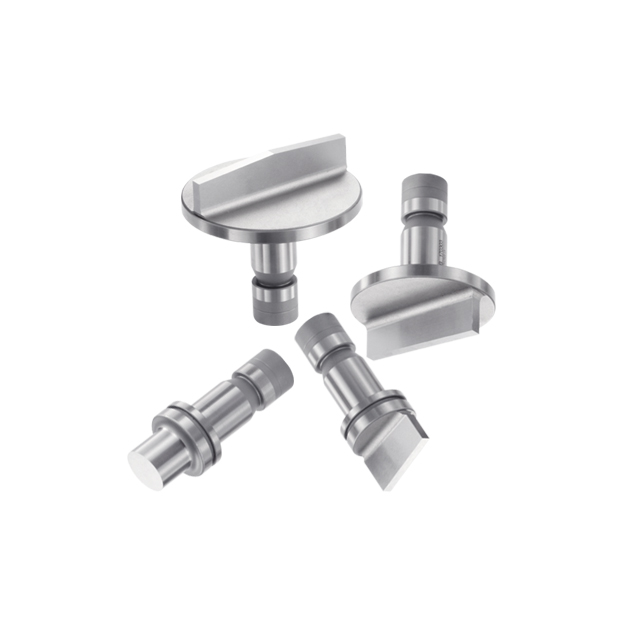
Trumpf style tooling is engineered specifically for high-volume production, offering rapid changeovers and self-seating capabilities that minimize operator error.
Integrating Trumpf Standard Punches and dies significantly improves edge quality and part consistency across extended fabrication cycles.
Successful implementation requires assessing current machine compatibility, evaluating retrofitting costs, and establishing strict maintenance protocols.
Understanding the mechanical advantages of this tooling style requires a close look at its foundational engineering principles. The system is built around maximizing machine uptime and ensuring absolute precision during every stroke of the ram. When you run a high-tonnage machine, the tooling must handle immense compressive forces without shifting or deflecting.
The defining feature of this tooling configuration is its self-aligning design paired with a highly secure clamping mechanism. Older systems require manual adjustments to ensure the punch and die are perfectly parallel. This style utilizes a precision-ground tang that seats directly into the tool holder. When hydraulic or pneumatic pressure is applied, the tool is pulled upward and seated against a hardened reference surface. This automatic seating eliminates the need for operators to manually align the tools. You save massive amounts of setup time and remove the risk of human error.
Another major characteristic is the safety button mechanism. This enables vertical loading. Operators push the tool directly upward into the clamping beam. The safety catch engages immediately. It holds the heavy tool securely in place before the clamp is fully closed. This prevents tools from dropping onto the die or the operator's hands. Shop floor safety improves while the changeover process speeds up.
The vertical loading process follows a strict, efficient sequence:
The operator selects the required punch segment from the tooling rack.
The tool is pushed vertically upward into the upper clamping beam of the press brake.
The mechanical safety catch clicks into place, holding the tool securely without requiring hydraulic pressure.
The operator repeats this process for all necessary segments across the bending length.
The hydraulic system is activated at the control panel, pulling all tangs simultaneously against the hardened reference shoulder for perfect alignment.
Fabrication shops utilize a mix of standard and specialized tools depending on their contract requirements. Trumpf Standard Punches are the workhorses of the facility. They feature broad utility for everyday operations. You use them for standard V-bending, air bending, and bottoming tasks across a wide range of material thicknesses. Their standardized profiles make them highly interchangeable. If a segment gets damaged, you swap it out in seconds without recalibrating the entire setup.
Specialized tooling is engineered for complex, highly specific tasks. Bending round bars securely requires specially adapted stop systems and custom die profiles. These prevent the material from rolling during the bending cycle. Offset tools, hemming sets, and louver tools also fall into this category. Standard punches handle the bulk of daily production. Specialized tools expand the machine's capabilities. They allow shops to take on niche manufacturing contracts without buying entirely new machinery.
The underlying principles of precision and rapid changeover remain the same across different machines. However, the application of this tooling style differs between punch presses and press brakes. In a press brake, the tooling is long and linear. It folds sheet metal along a specific axis. The clamping system runs the entire length of the upper beam. It requires consistent hydraulic pressure to hold segmented tools in perfect alignment across ten or twelve feet of bending length.
In a punch press, the tooling is cylindrical or uniquely shaped to punch holes, slots, or forms into flat sheet metal. Punch press configurations require specific tool holders and cartridges. These secure the punch, stripper, and die. The alignment here is rotational as well as vertical. It requires precise keyways to ensure the punch enters the die with exact clearance. This prevents galling or catastrophic tool failure during high-speed nibbling operations where the ram strikes hundreds of times per minute.
Choosing the right tooling system requires understanding the structural differences between the leading industry standards. The two most prominent configurations in modern sheet metal fabrication are the Wila/Trumpf style and the European Precision style. Each has its place on the shop floor, but they serve different operational needs.
The physical profiles of these two styles dictate how they are handled and loaded into the machine. European Precision style tooling traditionally features a distinct tang offset from the center of the tool body. Historically, these tools required operators to slide them in from the end of the press brake ram. Modern European tools have evolved to include safety clicks for vertical loading. However, the fundamental clamping mechanism often relies on manual set screws or basic wedge clamps. These can lead to slight variations in seating if the operator does not maintain them perfectly.
The Wila/Trumpf style utilizes a symmetrical, center-aligned tang. The push-button safety catch system is native to its design. Heavy, segmented tools snap directly into the upper beam from the front of the machine. The clamping mechanism is typically hydraulic. It applies uniform pressure across the entire length of the tool. This pulls the tool up against a precision-ground shoulder. The tool is perfectly seated and aligned every single time, regardless of operator experience.
Operational environments dictate which tooling style will yield the highest return on investment. The Wila/Trumpf style drastically outperforms competitors in high-volume production environments. If your tool changeovers happen multiple times per shift, the time savings compound rapidly. Facilities utilizing automated tool-changing systems or robotic press brake cells rely almost exclusively on this style. The self-seating and hydraulic clamping mechanisms require zero manual intervention from a human operator.
Specific manufacturing sectors realize massive benefits from this configuration. Appliance manufacturing, automotive component production, and HVAC fabrication require absolute repeatability across thousands of parts. The rigidity and precision of this tooling ensure that the first part and the ten-thousandth part share the exact same tolerances.
European Precision tooling remains highly relevant in specific scenarios. Custom job shops dealing with lower volumes and highly varied short runs often prefer it. Facilities operating legacy machinery with mechanical clamping beams find European style provides a versatile entry point. It handles standard bending tasks effectively without the need for expensive hydraulic clamping retrofits.
Tooling Style Comparison Overview
Feature | Wila/Trumpf Style | European Precision Style |
|---|---|---|
Loading Method | Vertical front-loading via push-button safety catch. | Traditionally side-loading; modern versions offer vertical clicks. |
Clamping Mechanism | Hydraulic or pneumatic, automatic self-seating. | Manual wedge clamps, set screws, or basic hydraulic. |
Alignment | Automatic, center-aligned tang against a hardened shoulder. | Requires manual verification; offset tang design. |
Best Application | High-volume, automated cells, frequent changeovers. | Low to medium volume, varied short runs, legacy machines. |
Tool Profile | Generally taller, allowing for deeper box bending. | Shorter profile, highly versatile for standard bends. |
Upgrading a fabrication floor is a significant technical undertaking. You need to understand exactly how these tools alter daily production metrics. Justifying the transition requires hard data on cycle times, part quality, and tool longevity.
The most immediate and measurable impact of implementing this tooling style is the drastic reduction in setup times. Traditional tooling changeovers take upwards of 20 to 30 minutes. Segmented setups require manual alignment, tightening, and test bends. Vertical loading allows an operator to snap tools into place in a fraction of the time. A skilled operator can change out a full bed of tooling in under three minutes.
The hydraulic clamping system automatically aligns and seats the tools. The need for manual tightening, tweaking, and alignment checks disappears. This translates directly to faster cycle rates. Non-value-added labor drops. Operator-induced setup errors vanish. Failing to tighten a wedge clamp fully leads to tool shifting and scrapped parts. Hydraulic clamping mitigates this entirely. The machine spends less time idle and more time bending metal.
High-tonnage operations put immense stress on both the machine and the tooling. If a tool is not held rigidly, it deflects under pressure. Tool deflection causes uneven bending angles, poor edge quality, and inconsistent tolerances across the length of the part. When you bend quarter-inch steel plate, the lateral forces are extreme. The tooling must resist these forces.
The rigid clamping and precise seating of this tooling style prevent lateral movement and deflection. The punch enters the die perfectly centered. It maintains exact clearances. This rigidity directly correlates to superior part consistency. When parts are bent accurately the first time, downstream assembly processes become much smoother. Precise cutting and punching reduce the need for secondary finishing operations. You spend less time on manual deburring or grinding, saving additional labor hours.
Tooling is a consumable asset. Its lifespan is heavily influenced by its design and metallurgy. These tools are manufactured from high-grade, hardened tool steel. They withstand severe compressive forces without deforming or galling. The precision seating prevents uneven wear patterns that commonly destroy lesser tools. When a tool sits perfectly flat against the ram, the tonnage distributes evenly.
Advanced tooling configurations further enhance longevity. The 2-4-1 tooling design is a prime example. This multi-part punch configuration allows the cutting tip to be separated from the main tool body. When the tip wears down, you sharpen it and shim it back to its original length. This effectively doubles the grind life of the tool.
The sharpening and shimming process requires precision:
Remove the worn cutting tip from the main tool body using the designated release bolts.
Grind the tip down on a precision surface grinder to restore a sharp, defect-free edge.
Measure the exact amount of material removed during the grinding process using digital calipers.
Insert a precision shim matching the removed material thickness between the tip and the tool body.
Reassemble the tool and torque the retaining bolts to factory specifications to ensure rigidity.
Evaluating the financial and operational impact of new tooling requires looking beyond the initial purchase order. The true value is realized through sustained operational improvements, scrap reduction, and integration capabilities.
Premium tooling commands a higher upfront capital expenditure compared to standard commodity tools. Calculating the true return on investment requires factoring in the operational savings generated over the tool's lifespan. The primary financial drivers are reduced machine downtime, fewer tool replacements due to extended grind life, and a massive drop in scrap rates caused by setup errors.
In high-volume contract manufacturing, per-part profitability is measured in seconds and pennies. A premium tooling setup shaves 15 minutes off a daily changeover. It eliminates three scrapped parts per shift. The cumulative savings rapidly offset the initial cost premium. The durability of the tools ensures that these savings continue long after the initial investment has been recouped. You stop buying replacement punches every six months and start relying on a stable tooling library.
Modern fabrication floors are moving rapidly toward automation. This tooling style is inherently designed to integrate with automated sheet metal processing cells and robotic tool changers. Robots require absolute predictability. They cannot manually adjust a misaligned tool or tap a punch into place with a brass hammer. The self-seating nature of this tooling makes it the only viable option for fully automated bending cells.
There is a strong synergy between standardized tooling and the broader sheet metal processing ecosystem. Standardized setups complement advanced laser cutting, welding, and laser metal deposition machines. When parts are cut precisely by a laser and bent perfectly by a rigid tooling system, robotic welding cells process the final assembly without needing adaptive programming to account for varied gaps. This creates a unified, flexible production floor. It offers massive long-term scalability benefits for facilities planning to transition toward lights-out manufacturing.
Transitioning to a new tooling standard presents specific engineering challenges. Facility managers must navigate machine compatibility, retrofitting costs, and changes to shop floor culture. You cannot simply buy the tools and expect immediate results without proper integration.
The most significant hurdle is adapting non-native press brakes or punch presses to accept this tooling style. Older machines equipped with mechanical, side-loading clamping beams cannot utilize vertical loading without modification. Adapting these machines carries inherent risks and costs. You must evaluate the structural integrity of the legacy machine before proceeding.
Installing hydraulic or pneumatic clamping adapters is technically feasible but requires careful evaluation. The retrofit involves bolting a new clamping beam onto the existing ram. You must plumb hydraulic lines from the machine's power unit and integrate the directional valves into the CNC system. Older machines may lack the crowning systems necessary to take full advantage of the tooling's precision. Facility managers must assess whether the legacy machine's frame and hydraulics are accurate enough to justify the cost of the tooling upgrade. If the ram is bowed, premium tooling will not fix the bend angle.
High-precision tools require high-precision handling. Transitioning from traditional tooling styles demands a shift in operator training and daily habits. Operators must learn the specific handling, cleaning, and storage requirements necessary to maintain the tools' precision. Throwing these tools into a metal bin will destroy the tangs and ruin the seating surfaces.
Dropping a hardened tool or allowing metal shavings to accumulate on the tang permanently damages the seating surface. This negates the tool's self-aligning benefits. Maintenance protocols must be strictly enforced.
Preventative Maintenance Schedule for Precision Tooling
Maintenance Task | Frequency | Method / Action Required |
|---|---|---|
Clean Tangs and Seating Surfaces | Daily / Every Shift | Wipe down with a clean, lint-free cloth and apply a light coat of machine oil. |
Inspect Safety Catch Buttons | Weekly | Depress manually to ensure smooth spring action; clear any debris. |
Stone Die Shoulders | Monthly | Use a fine precision stone to gently remove minor galling or material buildup. |
Check Hydraulic Clamping Pressure | Quarterly | Verify gauge pressure matches OEM specs to ensure tools seat fully. |
Measure Tool Tip Wear | Bi-Annually | Use calipers to check for radius flattening; schedule sharpening if out of spec. |
Upgrading to advanced tooling systems is a strategic investment for fabrication shops that prioritize high throughput, automation readiness, and uncompromising part consistency. The operational advantages create a highly efficient production environment. Rapid, error-free changeovers and extended tool life streamline your entire floor.
When deciding whether to make the transition, weigh your current machine ecosystem, production volumes, and changeover frequency. Facilities focused on high-volume runs or those planning to integrate robotic bending cells will find this tooling style indispensable. Lower-volume custom shops must carefully evaluate the retrofitting costs against their daily setup times.
To move forward effectively, execute the following steps:
Conduct a comprehensive tooling audit to identify heavily worn tools that currently cause quality issues or slow down production.
Track and calculate your exact changeover downtime costs over a two-week period to establish a baseline for ROI calculations.
Consult with a machine technician to evaluate the structural feasibility and cost of retrofitting your existing press brakes with hydraulic clamping adapters.
Develop a standardized preventative maintenance schedule for your tooling library, focusing on cleaning, safe storage, and timely sharpening.
A: The primary differences lie in the loading method and clamping mechanism. The Wila/Trumpf design features a center-aligned tang with a push-button safety catch, allowing for vertical front-loading and automatic self-seating via hydraulic clamps. European style traditionally utilizes an offset tang, requiring side-loading and manual wedge clamping, though modern versions have introduced vertical safety clicks.
A: No, they cannot be used universally without the correct setup. They require specific tool holders and cartridges designed to accept their unique tang and keyway configurations. If your punch press is designed for a different standard, you will need specialized adapters, provided the machine's shut height and tonnage capacities allow for it.
A: It reduces setup time through its vertical loading and self-aligning features. Operators snap heavy tools directly into the upper beam without sliding them from the side. Once hydraulic pressure is applied, the tools are automatically pulled against a hardened reference surface, eliminating the need for manual tightening, measuring, and alignment checks.
A: The 2-4-1 tooling is a specific multi-part punch design that maximizes grind life. It allows the cutting tip to be separated from the main tool body. When the tip wears down, it can be sharpened and shimmed back to its original length. This assembly method effectively doubles the usable life of the tool compared to standard, single-piece designs.
A: Retrofitting is generally worth the investment if your facility suffers from excessive setup times and you plan to utilize the machine for high-volume, precision runs. However, you must ensure the older machine's frame, hydraulics, and crowning capabilities are accurate enough to benefit from the upgraded tooling's precision.
A: Sharpening frequency depends heavily on the material type, thickness, and punching tonnage. Harder materials like stainless steel dull tools faster than aluminum. The key is preventative maintenance. Tools should be sharpened as soon as edge degradation is noticed, before it causes burrs, part distortion, or catastrophic tool failure.
A: Yes. While standard punches handle typical V-bending, specialized tooling configurations are available for complex tasks. These specialized tools often incorporate adapted stop systems and custom die profiles to securely hold and form round or awkward materials, ensuring the material does not roll or shift during the bending cycle.


